
Why Is a Factory Audit Important for Global Buyers?
Global sourcing can look clean on paper while problems remain behind a factory gate. A Factory Audit gives buyers direct evidence about production capacity, worker safety, quality systems, and working conditions. It can reveal crowded exits, incomplete training records, or cartons stacked beside emergency equipment. These details matter before deposits, contracts, and shipping schedules become difficult to change.
The International Labour Organization and Walk Free estimated 50 million people lived in modern slavery in 2021, including 28 million in forced labour. These figures show why supplier verification cannot depend on promises alone. The OECD Due Diligence Guidance also warns that audits should support broader risk-based due diligence, not replace it. Sedex’s responsible sourcing research similarly emphasizes continuous improvement and responsible management systems. An audit is useful evidence, but it is not a perfect certificate.
Auret van Heerden, former president of the Fair Labor Association, described social audits as “a snapshot in time.” That warning deserves attention. A factory may prepare carefully for one inspection, then return to weak practices later. Buyers therefore need follow-up audits, worker interviews, corrective-action checks, and transparent records. Small details can expose larger risks.
Still, audits can fail.
They may miss subcontracting, falsified documents, or pressure on workers during interviews. Experienced buyers combine audit findings with production data, shipment records, grievance channels, and local expertise. This approach is slower and sometimes uncomfortable. Yet reliable sourcing requires more than a polished report. It requires buyers to test what they are told, revisit what they approved, and accept that supplier risk can never be eliminated completely.
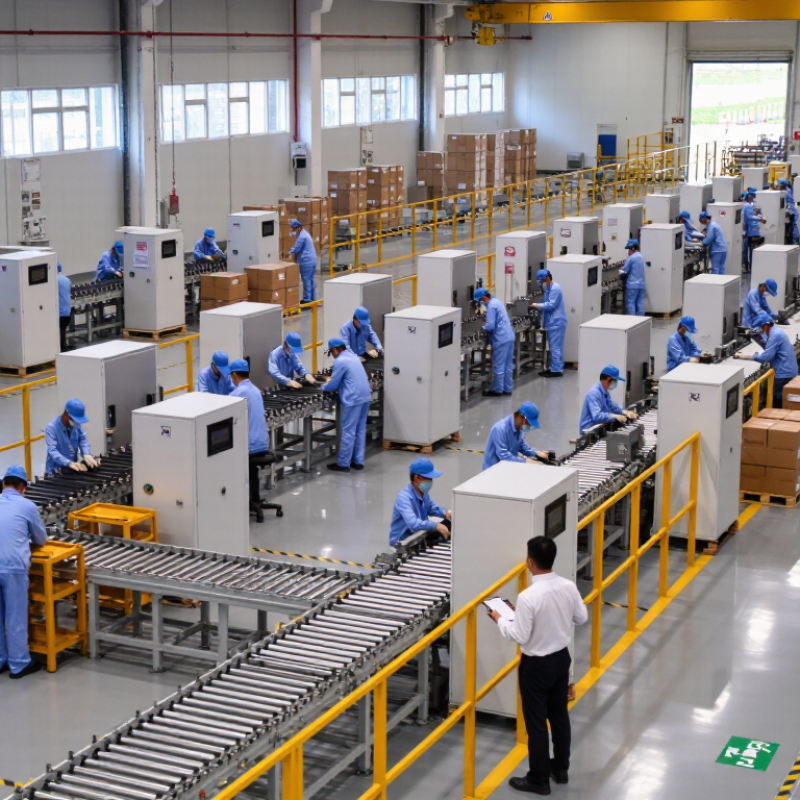
Why Is a Factory Audit Important for Global Buyers?
What a Factory Audit Is and What It Examines
A factory audit is a structured review of a supplier’s operations, records, and working conditions. For global buyers, it turns written promises into observable evidence. An experienced auditor visits the site, interviews responsible staff, and compares procedures with actual practices. The aim is not to criticize quickly. It is evidence.
The audit usually examines production capacity, equipment maintenance, quality controls, material traceability, and order management. Inspectors may follow a product from incoming materials to finished goods. They check inspection records, calibration labels, storage areas, and packaging controls. Worker safety and environmental management may also receive attention. Small details matter. An unlabeled container or missing inspection signature can reveal weak control.
Financial records are rarely the only concern. Buyers also need to understand whether the factory can maintain consistent output during busy periods. Auditors may review staffing levels, subcontracting practices, corrective actions, and emergency procedures. A clean production floor is useful, but it proves little alone. Not a sales tour.
An audit has limits. It captures conditions on specific dates, often through sampling. Some documents may look complete while daily habits remain inconsistent. I have found that follow-up questions can expose more than polished procedures. Buyers should treat the report as a decision tool, not absolute proof. Clear findings, photographs, and corrective deadlines make the assessment more reliable.
| Audit Dimension | What Auditors Examine | Typical Objective Evidence | Common Risk Indicators | Buyer Decision Value |
|---|---|---|---|---|
| Company Legitimacy and Site Identity | Whether the operating site, legal entity, production address, and approved manufacturing activities match the supplier’s declarations. | Business registration records, site address, facility tour, organizational structure, production licenses, and ownership or management information. | Unverified addresses, undisclosed subcontracting, restricted site access, or inconsistent company information. | Reduces the risk of dealing with an unsuitable, misrepresented, or unauthorized production source. |
| Quality Management System | How quality requirements are defined, implemented, monitored, and improved throughout the production process. | Quality procedures, inspection plans, work instructions, internal audit reports, corrective-action records, and management review records. | Incomplete procedures, uncontrolled documents, repeated defects, weak root-cause analysis, or overdue corrective actions. | Shows whether the factory can produce consistent output instead of relying only on final inspection. |
| Production Capacity and Planning | Whether available equipment, labor, production lines, working hours, and planning systems support the buyer’s required volumes and lead times. | Production schedules, capacity calculations, machine lists, staffing levels, order-loading records, maintenance plans, and on-time delivery history. | Overloaded lines, unrealistic delivery promises, excessive overtime, bottlenecks, or dependence on unapproved subcontractors. | Helps buyers assess whether quoted quantities and delivery dates are operationally realistic. |
| Incoming Materials and Supplier Control | How raw materials, components, packaging, and external suppliers are approved, inspected, identified, and controlled. | Approved supplier lists, purchase specifications, incoming inspection records, material certificates, lot identification, and quarantine procedures. | Untraceable materials, missing certificates, uncontrolled substitutions, or acceptance without inspection. | Reduces defects and material substitutions that may affect safety, performance, or regulatory compliance. |
| Process Control and Workmanship | Whether critical manufacturing steps are standardized, monitored, and performed by trained personnel using suitable equipment. | Work instructions, process parameters, operator training records, first-piece approvals, in-process inspection results, and production samples. | Unwritten methods, skipped inspections, inconsistent workmanship, unauthorized process changes, or poorly trained operators. | Indicates whether product specifications can be reproduced reliably across batches and shifts. |
| Testing, Inspection, and Calibration | Whether inspection and testing equipment is suitable, calibrated, maintained, and used against defined acceptance criteria. | Calibration certificates, equipment maintenance logs, test methods, laboratory records, inspection reports, and measurement-system controls. | Expired calibration, missing test records, unsuitable equipment, undocumented sampling, or results without traceable criteria. | Improves confidence that reported product results are accurate and defensible. |
| Traceability and Nonconforming Product Control | Whether materials and finished goods can be traced by batch or lot and whether defective products are identified and prevented from shipment. | Batch records, production labels, inspection status tags, nonconformance reports, rework approvals, and shipment-release records. | Mixed lots, missing labels, uncontrolled rework, repeated defects, or unclear shipment-release authority. | Supports targeted recalls, faster investigations, and prevention of defective goods reaching customers. |
| Warehousing, Packaging, and Shipping | How products are stored, protected, counted, packed, labeled, and released for export or delivery. | Warehouse conditions, inventory records, packaging specifications, loading procedures, shipping documents, and final inspection records. | Poor environmental controls, damaged packaging, inventory discrepancies, incorrect labels, or unapproved shipment changes. | Lowers the risk of transit damage, shipment errors, product mix-ups, and customs delays. |
| Worker Health, Safety, and Labor Practices | Whether working conditions meet applicable legal requirements and buyer expectations for safety, working hours, wages, welfare, and freely chosen employment. | Employment records, payroll and attendance data, safety training, emergency procedures, incident logs, protective equipment, and worker interviews. | Blocked exits, missing protective equipment, excessive working hours, wage irregularities, or signs of forced or underage labor. | Helps buyers identify legal, ethical, reputational, and business-continuity risks in the supply chain. |
| Environmental and Chemical Controls | How the factory manages energy, emissions, wastewater, waste, hazardous substances, and environmental permits relevant to its operations. | Environmental permits, waste transfer records, chemical inventories, safety data sheets, treatment records, monitoring results, and emergency plans. | Unlabeled chemicals, uncontrolled discharge, missing permits, unsafe storage, or incomplete waste documentation. | Reduces environmental liability and supports compliance with destination-market requirements. |
| Business Continuity and Corrective Action | Whether the factory can respond to equipment failure, utility disruption, labor shortages, quality incidents, and customer complaints. | Business-continuity plans, backup arrangements, emergency contacts, complaint logs, root-cause analyses, and corrective-action verification. | No contingency plans, repeated unresolved issues, slow communication, or corrective actions without effectiveness checks. | Shows how effectively the supplier can recover from disruptions and prevent recurring problems. |
A factory audit is a structured review of operations, records, equipment, and working conditions. It turns written claims into site-based evidence.
It helps buyers assess quality, capacity, safety, and delivery risks before placing large orders. A clean visit is not proof of perfection.
Auditors review production flow, equipment maintenance, material tracking, inspection records, storage, packaging, and order management.
The auditor may review staffing, machinery, current orders, production records, and busy-period planning. Capacity can look stronger on paper.
Auditors may inspect calibration labels, inspection signatures, storage conditions, and defect records. One missing label can signal weak control.
Yes. The review can examine supplier approval records, outsourced processes, and order traceability. Unapproved subcontracting may cause delays or inconsistent quality.
No. An audit captures conditions on specific dates and usually relies on samples. Daily habits may differ from polished documents.
Buyers should rank findings, assign responsible owners, and set dated corrective deadlines. Follow-up evidence matters. I would still ask extra questions.
It provides useful evidence, but preparation may temporarily improve site conditions. Unannounced checks and ongoing monitoring can offer a clearer picture. Not always enough.
A Factory Audit is a structured assessment of a supplier’s operations, facilities, management systems, production capabilities, and quality controls. For global buyers, it provides a clearer understanding of whether a factory can consistently meet product specifications, delivery expectations, workplace standards, and responsible business requirements. The audit may examine production processes, equipment, raw material management, employee practices, documentation, inventory control, and health and safety procedures.
By identifying weaknesses before an order is placed, a Factory Audit helps reduce sourcing, quality, delivery, and compliance risks. It also gives buyers objective information for comparing suppliers and deciding whether a factory is ready for cooperation. Audit findings can be used to approve a supplier, request corrective actions, monitor improvement, or seek alternative production options. In this way, factory audits support more informed supplier decisions, stronger supply chain reliability, and long-term business relationships based on transparency and verified capability.
